
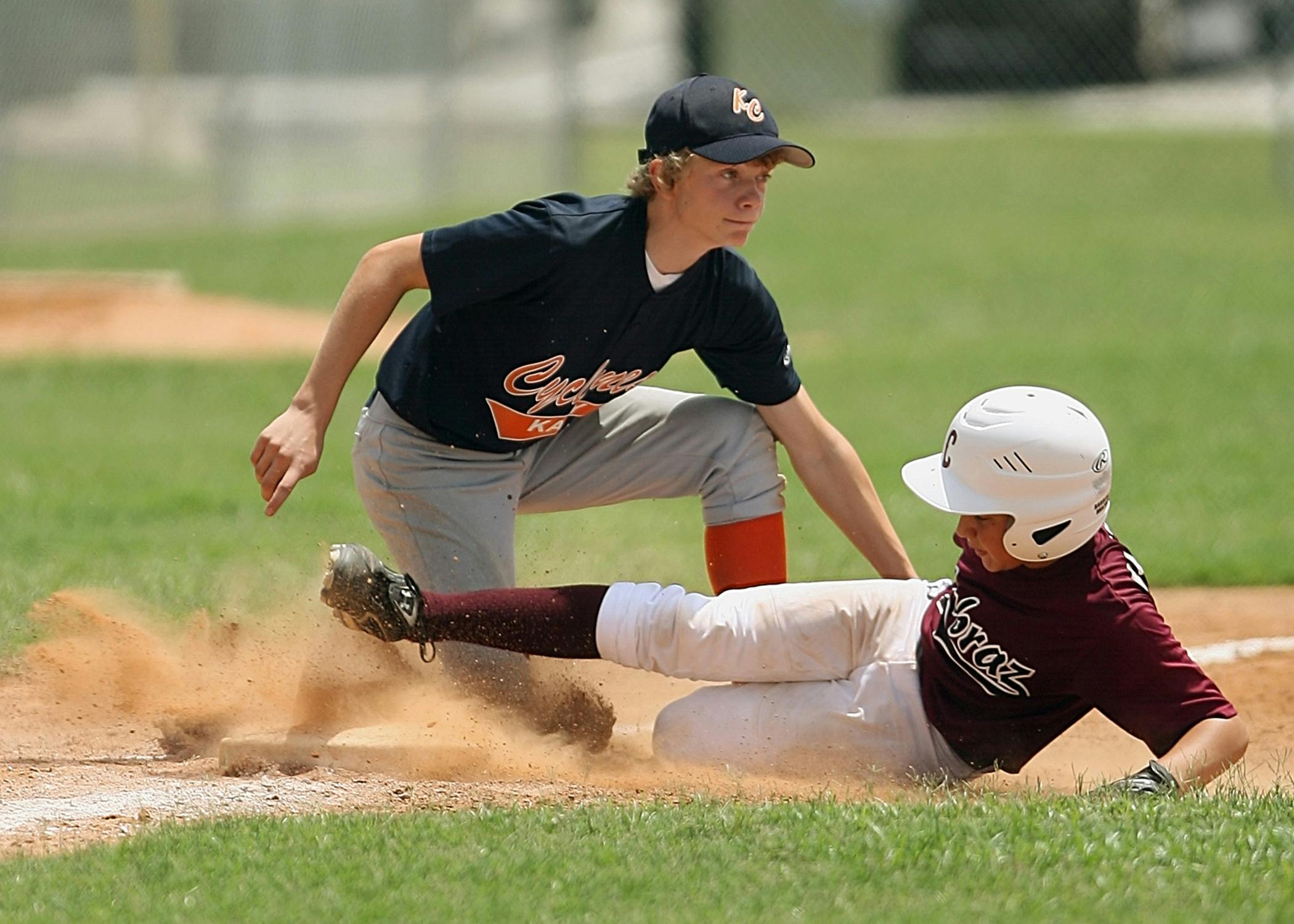
Youth sports compliance isn’t optional—it’s essential. Proper screening, training, and documentation protect children, protect volunteers, and protect your organization.
But compliance requirements vary by sport, state, and organization type. It’s easy to miss something important.
This checklist covers the major compliance areas every youth sports organization should address. Use it to audit your current practices and identify gaps.
Coach & Volunteer Screening
Background Checks
Required for: All adults with regular, unsupervised access to children
Best practices:
- [ ] Criminal background check (national + county)
- [ ] Sex offender registry check
- [ ] Conducted before volunteer begins
- [ ] Renewed every 2-3 years (check your governing body requirements)
- [ ] Results documented and stored securely
- [ ] Clear policy for handling findings
Common gaps:
- New volunteers starting before checks complete
- Checks not renewed on schedule
- No policy for mid-season additions
SafeSport Training
Required by: USA Swimming, USA Gymnastics, US Soccer, and most Olympic NGBs
Best practices:
- [ ] All coaches complete SafeSport training
- [ ] Training completed before season starts
- [ ] Certificates documented
- [ ] Renewal tracked (typically annual or biennial)
- [ ] Organization-specific supplemental training
Common gaps:
- Parent volunteers not completing training
- Assuming previous years’ training counts
- No tracking system for expiration
Reference Checks
Recommended for: Head coaches and staff with significant responsibility
Best practices:
- [ ] At least 2 references contacted
- [ ] Questions about experience with youth
- [ ] Documentation of conversations
- [ ] Red flag escalation process
Athlete Protection Policies
Code of Conduct
Should cover:
- [ ] Appropriate coach-athlete interactions
- [ ] Two-deep leadership (never one adult alone with one child)
- [ ] Communication policies (appropriate channels, parents copied)
- [ ] Physical contact guidelines
- [ ] Travel policies
- [ ] Social media policies
- [ ] Reporting procedures
Reporting Procedures
Must include:
- [ ] How to report suspected abuse
- [ ] Who receives reports
- [ ] Mandatory reporting obligations (varies by state)
- [ ] Protection from retaliation
- [ ] Documentation requirements
Open & Observable Environment
Practices should be:
- [ ] Open to parent observation
- [ ] In visible locations
- [ ] With multiple adults present
- [ ] Without closed one-on-one settings
Medical & Health
Medical Information Collection
For each athlete:
- [ ] Emergency contact information
- [ ] Medical conditions (allergies, asthma, diabetes, etc.)
- [ ] Medications
- [ ] Insurance information
- [ ] Physician contact (optional)
Concussion Protocol
Required in all 50 states (laws vary):
- [ ] Written concussion policy
- [ ] Coach education on recognition
- [ ] Immediate removal from play if suspected
- [ ] Medical clearance before return
- [ ] Parent notification
- [ ] Documentation of incidents
Emergency Action Plan
Each facility should have:
- [ ] Emergency contact numbers posted
- [ ] Location of first aid supplies
- [ ] AED location and trained users
- [ ] Evacuation procedures
- [ ] Weather emergency protocol
Waivers & Consent
Participation Waiver
Should include:
- [ ] Acknowledgment of inherent risks
- [ ] Agreement to follow rules
- [ ] Medical authorization for emergency treatment
- [ ] Photo/video release (separate or integrated)
- [ ] Signed by parent/guardian for minors
Medical Release
Authorizes:
- [ ] Emergency medical treatment
- [ ] Specific medical conditions noted
- [ ] Current medications listed
- [ ] Insurance information
Photo/Video Consent
Covers:
- [ ] Use in organization materials
- [ ] Social media posting
- [ ] Website use
- [ ] Opt-out option for families
Facility & Equipment Safety
Facility Checks
Regular inspection of:
- [ ] Playing surfaces (holes, debris, hazards)
- [ ] Goals and equipment (secure, not tipping)
- [ ] Fencing and barriers
- [ ] Lighting (for evening activities)
- [ ] Parking and traffic patterns
Equipment Safety
Verify:
- [ ] Age-appropriate equipment
- [ ] Proper condition (not worn/damaged)
- [ ] Correct sizing
- [ ] Safety certifications where applicable
Weather Policies
Document procedures for:
- [ ] Lightning (30/30 rule typical)
- [ ] Extreme heat
- [ ] Extreme cold
- [ ] Air quality issues
- [ ] Communication of cancellations
Insurance & Legal
General Liability Insurance
Verify coverage for:
- [ ] Participant injury claims
- [ ] Spectator injury claims
- [ ] Property damage
- [ ] Coverage amounts appropriate for organization size
Directors & Officers Insurance
Protects:
- [ ] Board members
- [ ] Organization leadership
- [ ] Decision-making liability
Abuse & Molestation Coverage
Specifically covers:
- [ ] Sexual abuse claims
- [ ] Often requires compliance documentation
- [ ] May require specific training/screening
Documentation & Record Keeping
What to Keep
| Document Type | Retention Period |
|---|---|
| Background check results | 7 years after last contact |
| Training certificates | 7 years after last contact |
| Signed waivers | 7 years after participant turns 18 |
| Incident reports | 7 years minimum |
| Medical information | Duration of participation + 7 years |
| Registration records | 7 years |
How to Store
Best practices:
- [ ] Secure, access-controlled storage
- [ ] Digital backup
- [ ] Limited access (need-to-know basis)
- [ ] Organized for quick retrieval
- [ ] Destruction policy for expired documents
Compliance Calendar
Before Season
- [ ] Background checks complete for all new volunteers
- [ ] SafeSport training current for all coaches
- [ ] Waivers collected from all participants
- [ ] Medical forms current
- [ ] Insurance renewed
- [ ] Facility inspections complete
During Season
- [ ] Monitor certification expirations
- [ ] Document any incidents
- [ ] Conduct spot compliance audits
- [ ] Address any concerns immediately
After Season
- [ ] Archive season documentation
- [ ] Review any incidents
- [ ] Plan improvements
- [ ] Begin prep for next season
State-Specific Requirements
Requirements vary significantly by state. Research your specific state’s laws for:
- Background check requirements
- Concussion protocols
- Mandatory reporter obligations
- Specific sport regulations
- Youth protection statutes
Resources:
- Your state athletic association
- National governing body for your sport
- Legal counsel familiar with youth sports
Audit Your Compliance
Quick Self-Assessment
Score yourself 0-2 for each area (0=not addressed, 1=partial, 2=complete):
| Area | Score |
|---|---|
| Background checks | /2 |
| SafeSport training | /2 |
| Code of conduct | /2 |
| Reporting procedures | /2 |
| Medical information | /2 |
| Concussion protocol | /2 |
| Waivers complete | /2 |
| Insurance current | /2 |
| Documentation organized | /2 |
| Facility safety | /2 |
| Total | /20 |
Scoring:
- 18-20: Excellent compliance posture
- 14-17: Good, but address gaps
- 10-13: Significant improvement needed
- Below 10: Urgent attention required
How OlliPlay Helps
Managing compliance with spreadsheets and paper files is possible—but risky and time-consuming. OlliPlay’s Compliance Center streamlines the entire process:
Tracking
- Background check status for every coach
- SafeSport certification monitoring
- Waiver completion tracking
- Document expiration dates
Automation
- Automatic reminders before expirations
- Alerts for non-compliant roster additions
- Renewal notifications to volunteers
Reporting
- Audit-ready compliance reports
- Organization-wide status dashboards
- Historical documentation
Protection
- Immutable audit trails
- Secure document storage
- Access controls
Ready to simplify compliance?
[Start Your Free Trial →] See how OlliPlay makes compliance manageable.
[Schedule a Demo →] We’ll show you the Compliance Center in action.
Conclusion
Compliance isn’t about checking boxes—it’s about protecting children and creating environments where they can safely enjoy sports. The administrative burden is real, but the stakes make it non-negotiable.
Whether you use software or spreadsheets, the checklist above provides a framework. Audit your current practices, identify gaps, and address them systematically.
Your athletes, families, and volunteers deserve an organization that takes safety seriously.
Related Articles:
- 5 Signs Your League Has Outgrown Spreadsheets
- [Building a Culture of Safety in Youth Sports]
- [What to Look for in Background Check Providers]
OlliPlay — Play for Something Greater
Leave a Reply